


Vay - rent a car by the minute
4.9127.00 Reviews
App Specs
- Version
- 1.26.0
- Updated On
- License
- Free
- Downloads
- 50,000+
- Developer
- Vay Technology
- Categories
- Travel & Local
- Platform
- Android
Screenshots
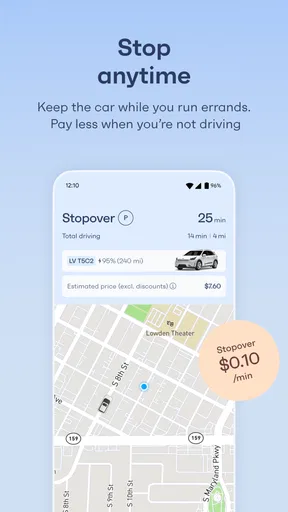
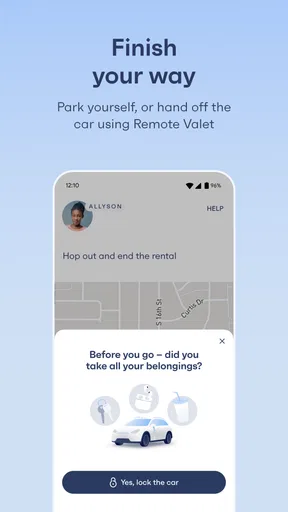
 Analysis by AppCompare
I tested Vay as a different kind of urban car-rental app: instead of making me walk to a parked vehicle, its central idea is that an electric rental car can be brought to me. That single change affects almost every part of the experience. It can remove the awkward first leg of a trip, make a short car journey easier to arrange, and reduce the need to own a vehicle for occasional errands. At the same time, delivery is not automatically better for every journey, so I found it more useful to judge the app by the situations it solves rather than by the novelty of the idea.
Vay is a free Travel & Local app from Vay Technology for mature users, and it has built a strong early impression with a 4.9 average from over 800 ratings. It has passed 50 thousand installs, which gives it a meaningful user base without making it feel like an anonymous experiment. The app was released on May 21, 2025, and the current version is 1.26.0 for Android 7.0 and later. Those details matter mainly because this is a relatively young service: I would approach it as a focused mobility tool that is still developing, not as a universal replacement for taxis, public transport, or traditional rental desks.
Why delivery changes the rental-car experience
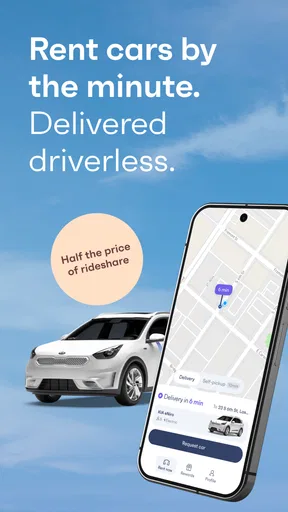
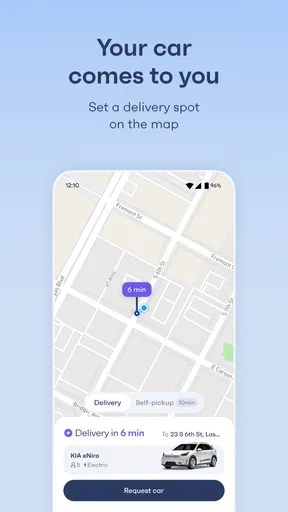
The most important capability here is straightforward: Vay arranges an electric rental car to be delivered to the place where I want to begin driving. A normal car-share service asks me to plan around the location of its fleet. That can mean adding a walk, checking whether the nearest vehicle is still available, and adjusting my route before the journey has even started. Vay reverses that decision. I begin with my destination or pickup need in mind, then use the app to arrange access to a car.
That sounds like a small convenience, but it changes the mental calculation for short trips. If I need to carry groceries, collect something bulky, visit a place poorly served by public transport, or make several stops in one outing, the walk to a conventional car-share vehicle can be the part that makes the option unattractive. Having the car delivered puts the rental closer to the actual reason for travelling. The real benefit is not simply getting an electric car; it is reducing the gap between planning a trip and starting it.
I also like the way this capability encourages a more deliberate choice than spontaneous car use. With a fixed car-share bay, I may choose the closest vehicle because it is the only practical one. With delivery as the starting point, I can first decide whether driving is genuinely useful. That makes the app particularly relevant for people who do not own a car but occasionally need one for a specific task. It is less compelling when a train, bus, bicycle, or ordinary walk already solves the journey with less preparation.
The electric part adds another layer to the experience. Driving an electric rental car can feel well suited to urban errands, where quiet operation and simple stop-and-go driving are pleasant. However, I would not treat the app as a carefree answer for every long-distance trip. An electric vehicle makes the most sense when the planned use fits the available service area and the expected duration. The app can make access easier, but it cannot remove the need to think about where the journey goes or how long the car will be needed.
What using the app feels like in practice
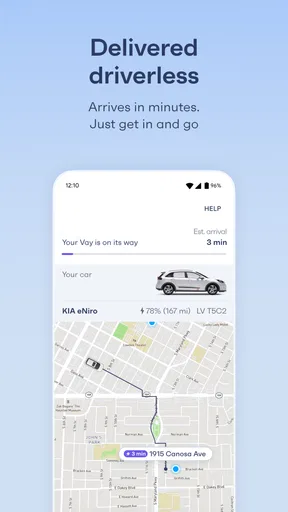
My first practical question was not whether the app looked polished, but whether it helped me make a clear decision before committing to a car. A useful rental workflow should make the starting point, destination, timing, and expected responsibility understandable. Vay’s delivered-car concept means I pay attention to the handoff itself: where the vehicle will meet me, when I should be ready, and what happens if my plans change. Those are more important questions here than simply locating a nearby parked car.
Worth Reading Before You Choose

Flipboard Shows What News Apps Must Do Beyond the Feed

Switching to Android Auto Means Rethinking Your Driving Routine

Google Calendar Makes a Crowded Week Easier to Manage

Ludo King Makes the Most of the Minutes Between Plans

Baby Panda World Brings Quick Play to Modern Phones, but Its Game Library Feels Busy

ESPN’s Live Game View Makes Following Close Games Easier
This is where users should slow down rather than tapping through quickly. A delivered vehicle requires coordination. I would check the pickup instructions before leaving home, keep the phone charged, and avoid scheduling the handoff at the exact minute I need to arrive somewhere important. A few minutes of flexibility is sensible because the convenience comes from arranging a meeting with the car, not from instantly unlocking a vehicle that is already waiting at a marked bay.
For a first booking, I would also read every screen related to the rental period and return process. The app’s main promise is easy to understand, but the practical experience depends on the details around the trip. Before driving, I would confirm the vehicle’s condition, make sure I understand where the rental can end, and check whether the proposed route fits the service rules shown in the app. These habits are useful with any rental service, but they matter more when the vehicle has been brought specifically to me.
One non-obvious advantage is that delivery can make the beginning of a multi-stop day more predictable. Instead of walking to one car, taking it to the first stop, and then wondering whether another vehicle will be available later, I can organize the outing around one planned rental. That does not mean keeping the car is always the cheapest choice; it means the app may be more convenient when the day contains several connected tasks. I would compare the complete rental time with the cost and flexibility of using separate public-transport or taxi journeys.
Another useful habit is to separate the “car needed” decision from the “car delivered” decision. I would map the day first and identify the parts where a vehicle genuinely saves time or effort. If the only advantage is avoiding a short walk, a nearby car-share vehicle, a bicycle, or public transport may still be the better option. If the journey involves heavy items or several locations, delivery becomes much more meaningful.
The everyday situation where Vay makes the most sense
Imagine a Saturday morning when I need to collect a large purchase, stop at a second shop, and take everything back home. Public transport may be inconvenient with bulky items, a taxi may feel excessive for a series of short stops, and walking to a conventional rental car adds another task before the day begins. In that situation, I would use Vay to arrange an electric car near my starting point, complete the errands in one outing, and return the vehicle according to the instructions shown in the app.
This scenario highlights the service’s strongest use case: occasional urban mobility that is too demanding for a walk but too small to justify owning a car. The delivered-car model is also attractive for someone moving between neighborhoods, visiting friends with luggage, or handling an appointment in an area where transit connections are poor. The common thread is not distance. It is friction. The trip becomes worthwhile when carrying, timing, or multiple stops make ordinary alternatives annoying.
I can also see value for a person who normally relies on public transport but has an unpredictable day. If a meeting ends late, a connection is missed, or several errands suddenly need to be combined, having a rental option that comes toward the user could be more practical than searching for a distant car-share bay. Still, I would not depend on it as my only emergency plan. Availability, delivery timing, and the boundaries of the operating area all matter, so a backup option remains sensible when the appointment is critical.
For a short leisure trip, the calculation is more mixed. A delivered car could make a group outing simpler, especially when people are carrying equipment or travelling to a location with weak transit access. But if the destination is easy to reach by rail or bus, the environmental and financial logic may favor public transport. Vay is at its best when it removes a real obstacle, not when it merely replaces a convenient existing option.
One practical tip I would give a new user is to schedule around the whole outing rather than the first destination alone. A rental that looks ideal for one stop can become less attractive if the day expands into a long wait, an unplanned detour, or a return journey outside the original plan. I would build in time to inspect the vehicle and finish the rental correctly. That small amount of planning protects the main advantage: a smoother door-to-door start.
The tradeoffs behind the convenience
The first tradeoff is coordination. A parked car-share vehicle offers immediate access when it is nearby and available. Vay’s delivery approach offers a more personal starting point, but I have to be ready for the handoff. That may be a fair exchange for someone carrying bags or travelling from home, yet it can feel slower than simply walking to a car for a spontaneous ten-minute journey.
The second tradeoff is flexibility. Traditional rental counters are inconvenient, but they can be useful for longer bookings because the arrangement is familiar and the vehicle is generally collected from a fixed location. Public transport is often easier for one-way urban travel. Taxis and ride-hailing services remove the driving responsibility altogether. Vay occupies a narrower but valuable middle ground: I get the independence of driving without owning a car, while accepting that the rental must be planned around the service’s delivery and return process.
That distinction also affects who should skip it. I would not choose this app for someone who dislikes driving, wants a driver to handle navigation and traffic, or needs a vehicle for a long trip without carefully checking the operating conditions. I would also hesitate to recommend it to a user whose journeys are almost always spontaneous and very short. In those cases, a taxi, bicycle, transit pass, or nearby car-share service may involve fewer decisions.
There is a learning curve that does not come from complicated controls, but from understanding the responsibility of a delivered rental. I would take screenshots or notes of important booking instructions only for my own reference, inspect the car before moving, and avoid treating the vehicle as if it were my personal car. Returning it properly is part of the service experience. The convenience at the beginning should not encourage rushed behavior at the end.
The electric drivetrain is another reason to plan honestly. For urban use, it can be a strong fit, but I would consider the full route rather than assuming every electric rental is equally suitable for every destination. If my day includes a long detour, uncertain parking, or a tight schedule, I would compare Vay with public transport or a conventional rental whose process better matches the journey. The app’s smart choice is situational, not automatic.
Compared with owning a car, Vay avoids the fixed burden of ownership and makes occasional driving easier to justify. Compared with a standard car-share service, its delivered starting point can save a walk and make heavy or multi-stop trips more practical. Compared with taxis, I keep control of the vehicle and the route, but I also take on driving, parking, and the need to complete the rental correctly. Compared with public transport, it offers door-to-door independence, while transit may be simpler and more efficient for predictable corridors.
Who gains the most from this app
I think Vay is most useful for urban residents who drive occasionally rather than daily. It suits people who have deliberately chosen not to own a car but still face errands that are awkward on foot or by transit. Parents moving supplies, freelancers carrying equipment, visitors with luggage, and households that need a car only for selected outings could all find the delivery model more valuable than a conventional pickup arrangement.
It may also appeal to users who already understand car sharing and want a more convenient starting point. The app is not merely a map of parked vehicles; its strength is the attempt to put the rental where the journey begins. That makes it particularly interesting for neighborhoods where a nearby car-share bay is not guaranteed. I would still check the available service area before building a day around it, because the concept only helps when the requested pickup and return fit the places the service can support.
People who want the lowest possible effort should compare alternatives carefully. A ride-hailing service can be better when I need to work, relax, or avoid parking. A bus or train can be better when the route is direct. A conventional rental can be better for a longer trip with a fixed itinerary. Vay earns its place when I want to drive myself, need the car near a particular starting point, and would otherwise lose time or energy reaching a standard rental location.
The app’s mature age rating is worth noticing before installation, especially for families deciding which travel tools are appropriate for younger users. This is a mobility service intended for adult responsibility around a rental vehicle, not a casual game or a child-focused travel planner. I would also make sure the phone meets the Android requirement before trying to install it; the stated minimum is Android 7.0, which keeps the app accessible to many older devices.
After using it, my recommendation is positive but specific. Vay is not the universal answer to urban travel, and its delivery model introduces coordination that a nearby parked car does not. Yet that same model solves a genuine problem: getting a rental car close to the point where I actually need to begin. If my day involves luggage, bulky purchases, several stops, or a transit-poor destination, I would seriously consider it. If the trip is a quick, spontaneous hop or I do not want to drive, I would choose another option.
For me, the app’s strongest idea is therefore practical rather than flashy. It turns car sharing from a search for the nearest available vehicle into a planned connection between my journey and the car. That can make occasional electric driving feel more accessible and less dependent on where a fleet happens to be parked. Vay Technology has created a focused Travel & Local tool, and with its free download and current 1.26.0 release, Vay - rent a car by the minute is worth trying when delivery genuinely removes an obstacle from the trip.
Pros
- Quick
- app-based rentals for short trips and errands.
- Pay only for the time you use the vehicle.
- No traditional rental desk or lengthy paperwork required.
- Useful alternative to taxis and public transport in supported areas.
- Vehicles can usually be located and unlocked directly in the app.
Cons
- Service availability is limited to selected cities and operating zones.
- Prices may increase during busy periods or high-demand times.
- Parking rules and return zones can restrict where trips end.
- Vehicle availability may be low in certain neighborhoods or hours.
- Users may face extra charges for damage
- delays
- or improper parking.
FAQs for Vay - rent a car by the minute
What is Vay – rent a car by the minute?
Vay is a car-rental service designed for short, flexible trips. Instead of collecting a vehicle from a traditional rental desk, eligible users can usually book a car through the app and access it for a limited period, paying according to the selected rental terms or usage. Availability, service areas, vehicle types, and booking rules may vary depending on the city.
How do I rent and unlock a car with Vay?
After creating an account, you generally need to provide the requested personal information and verify your driving eligibility before booking. The app shows available vehicles and lets you choose a pickup location and rental period. Once your reservation is confirmed, the app provides instructions for locating and unlocking the car. Follow the in-app checks carefully, including inspecting the vehicle and reporting existing damage.
Where can I use and return a Vay rental car?
Vay rentals are normally limited to designated operating zones rather than being available everywhere. Before booking, check the map in the app to confirm that your pickup point, destination, and planned route are supported. Return requirements can also differ by location: some trips may require parking within a specific service area or approved zone, while leaving the vehicle outside the permitted area could result in additional charges.
How much does Vay cost, and are there extra fees?
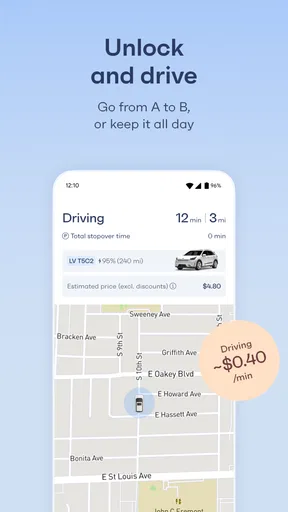
The final price depends on factors such as the city, vehicle category, rental duration, demand, and any applicable taxes or service charges. The app should display pricing information before you confirm a booking, but users should also review the cancellation policy, late-return rules, parking costs, cleaning fees, damage responsibility, and possible out-of-zone charges. Always read the booking summary carefully before starting the trip.
What documents and requirements are needed to use Vay?
Users typically need to meet minimum age and driving-license requirements and submit identity and driver-verification information through the app. Vay may request a valid driving license, payment method, phone number, and additional documents depending on the country or city. Approval is not necessarily instant, so complete verification before you urgently need a car. Requirements and eligibility rules can change, so check the current terms in the app.


